
GLP-1 Therapy + Bariatric Expertise = Better Results

With countless online ads promising quick and easy access to GLP-1 medications, it may seem tempting to order them and expect results within days. However, working with an experienced specialist offers significant advantages—and may ultimately make far more sense than navigating the process on your own.
Gastric Sleeve Pouch Concerns: Stretching, Weight Regain, and Next Steps
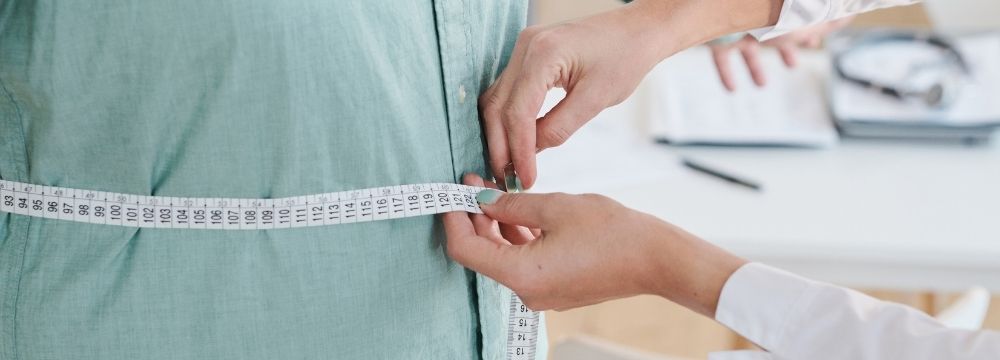
You’ve probably noticed that your stomach is remarkably adaptable. When we eat a large meal, it stretches to hold the food, then gradually returns to its normal size as the contents move into the intestine for digestion. With a gastric sleeve, a large portion of the stomach is removed, leaving approximately 25% of the original stomach pouch intact.
Appetite Loss After Bariatric Surgery – and How to Respond

It may seem like a wonderful thing – you’ve had a gastric sleeve procedure, you’re losing a significant amount of weight, and you don’t feel hungry at all. The surgery has worked!
Or so it may seem.
Not eating enough isn’t healthy, and proper food intake after any bariatric procedure remains crucial – food provides the protein, vitamins, and minerals your body needs to stay healthy, both now and long after surgery.
How Much Should You Walk Right After Bariatric Surgery?

One of the most surprising aspects of the bariatric recovery process for many of our patients is how quickly they can get back on their feet and walk – just a couple of hours after their surgery!
It’s a testament to how far we’ve come in minimally invasive procedures. In fact, robotic bariatric surgery has taken this to the next level with even shorter average recovery times than traditional laparoscopy.
Do Pre- and Probiotics Make Any Difference in Weight Loss After Bariatric Surgery?
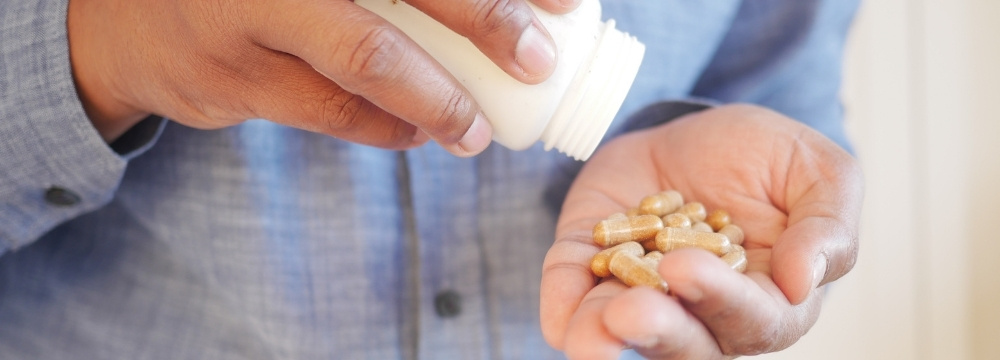
Pre- and probiotics have been touted as a no-brainer health benefit for anyone, whether undergoing bariatric surgery or not. However, with high prices and questionable ingredients, do these compounds really make a difference for weight loss, and are they the answer to resetting our gut microbiome?
Preventing Hair Loss After Bariatric Surgery

Hair thinning and loss are among the most common yet startling concerns for many postoperative bariatric patients. Unfortunately, it is impossible to predict exactly who is prone to this issue. We’ve seen patients with thick, full heads of hair experience hair loss after surgery, while others with thinning hair have little to no change. This concern is especially significant for female patients, who may find it more distressing.
The Limitations of BMI

Is BMI the best way to measure health? Many of us use it, but does it tell the whole story? If you’ve ever started a weight-loss regimen, you’ve probably heard the term BMI. An acronym for Body Mass Index, BMI is a calculation used by both consumers and health professionals to gauge whether you’re at a healthy weight. While BMI provides a quick snapshot of your weight status, it has limitations and shouldn’t be the only metric to determine your overall health.
Continue reading
Avoiding Reflux After the Gastric Sleeve

The gastric sleeve, also known as sleeve gastrectomy, is the most popular bariatric surgical procedure in the United States—and for good reason. It is a relatively straightforward procedure that removes approximately 75% of the stomach, creating restriction, reducing the amount of food a patient can eat, and significantly curtailing hunger due to the removal of the fundus (the portion of the stomach responsible for secreting ghrelin, the hunger hormone).
Is Hormone Replacement the Key to Weight Loss in Middle Age?
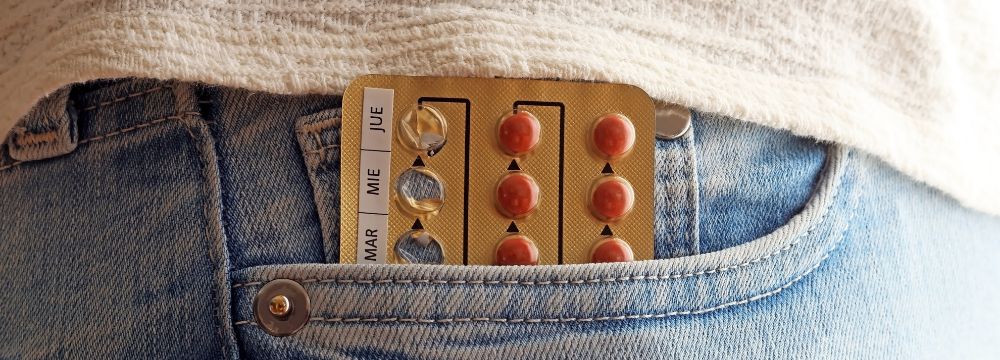
If you’re experiencing some of the classic symptoms of menopause—night sweats, hot flashes, fatigue, and weight gain—you may have heard or read about hormone replacement therapy. Known as HRT for short, this treatment involves taking doses of hormones to relieve some of the discomfort that comes with menopause in women and “manopause” in men. Both women and men may find significant benefits from HRT, and a common question is: “Will hormone replacement therapy help me lose weight?” The answer: maybe. Here’s a breakdown of how HRT can—and can’t—help with weight loss.
Does Sodium Cause Weight Gain/Regain?

When you read or hear about foods or ingredients to avoid for a healthy lifestyle, one that comes up often is sodium. Found naturally in some foods and added to others, sodium is a mineral that should be controlled for maximum health. But does it cause weight gain? The answer: Sort of. If you’re curious about the role of sodium in weight gain (or regain after weight loss), we’ve got the answers here.
Categories
Archives

Get Started
Register today for benefits!


Success Stories
See our patient testimonials.

Patient Portal
Access to your medical records.